


The roles and responsibilities of the Radiation Safety Officer (RSO) are diverse. Their work helps ensure radiation safety in medical procedures such as diagnosis and treatment. In this article, let’s explore what RSOs are authorized to do and what their responsibilities typically include.
Hello everyone. Many readers may be wondering who exactly the Radiation Safety Officer (RSO)—also known as the “radiation safety personnel”—is, and what duties fall under this role. We would like to share insights from Dr. Prawatara Niyompanich, who has experience working as an RSO, to help clarify what the responsibilities of an RSO involve. We also invite other hospitals to share their experiences and practices.
1. Establish a radiation hazard prevention system, such as providing appropriate radiation protection equipment for physicians and staff involved, along with delivering training on the correct usage procedures.

2. Provide knowledge and guidance on radiation hazard prevention, including how to prepare both before and during radiation examinations.
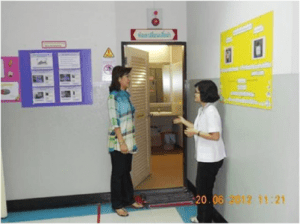
3. Ensure that radiation safety information is communicated, such as creating educational posters or knowledge boards. For example, provide information on whether the radiation dose received from medical examinations remains within safe levels, based on ICRP standards.

4. Ensure compliance with legal requirements, such as confirming that X-ray equipment undergoes standardized quality inspections and that a valid license is obtained to possess and operate the machine. In addition, coordinate the registration and inspection of radiation-generating devices with the Office of Atoms for Peace.
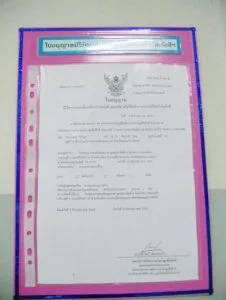
5. Establish a record-keeping system for X-ray machine repairs and maintenance.
This is useful for planning equipment maintenance. When problems occur frequently or the machine is often out of service, services become less effective. Proper records also support reporting to hospital management and other related departments.

We continue to learn and improve continuously to ensure the safety of both patients and operating staff.
Credit: https://www.gotoknow.org/posts/512003


